Case Study 2: The "Capacity Trap" – Halting Unauthorized Subcontracting in Dongguan
The Illusion:
A North American consumer electronics brand had locked in a critical $350,000 peak-season order for Q4. The Dongguan supplier’s glossy live-streamed factory tour showed pristine SMT (Surface Mount Technology) lines and confidently guaranteed a 100,000-unit monthly capacity. Feeling secure, the Overseas Buyer wired the initial deposit.
The Reality Check (Auditor's Perspective):
It was 10:00 AM in mid-August. The tail end of a typhoon had left Dongguan sweltering, the air thick with 90% humidity. When I walked onto the shop floor for our unannounced mid-production audit, the silence hit me before the heat did.
For a factory claiming maximum peak-season output, the environment was dead. Two massive SMT lines sat completely idle, partially covered in dust sheets. Only a handful of workers in blue uniforms were quietly tinkering in the corner. The promised "roaring production capability" simply did not exist.
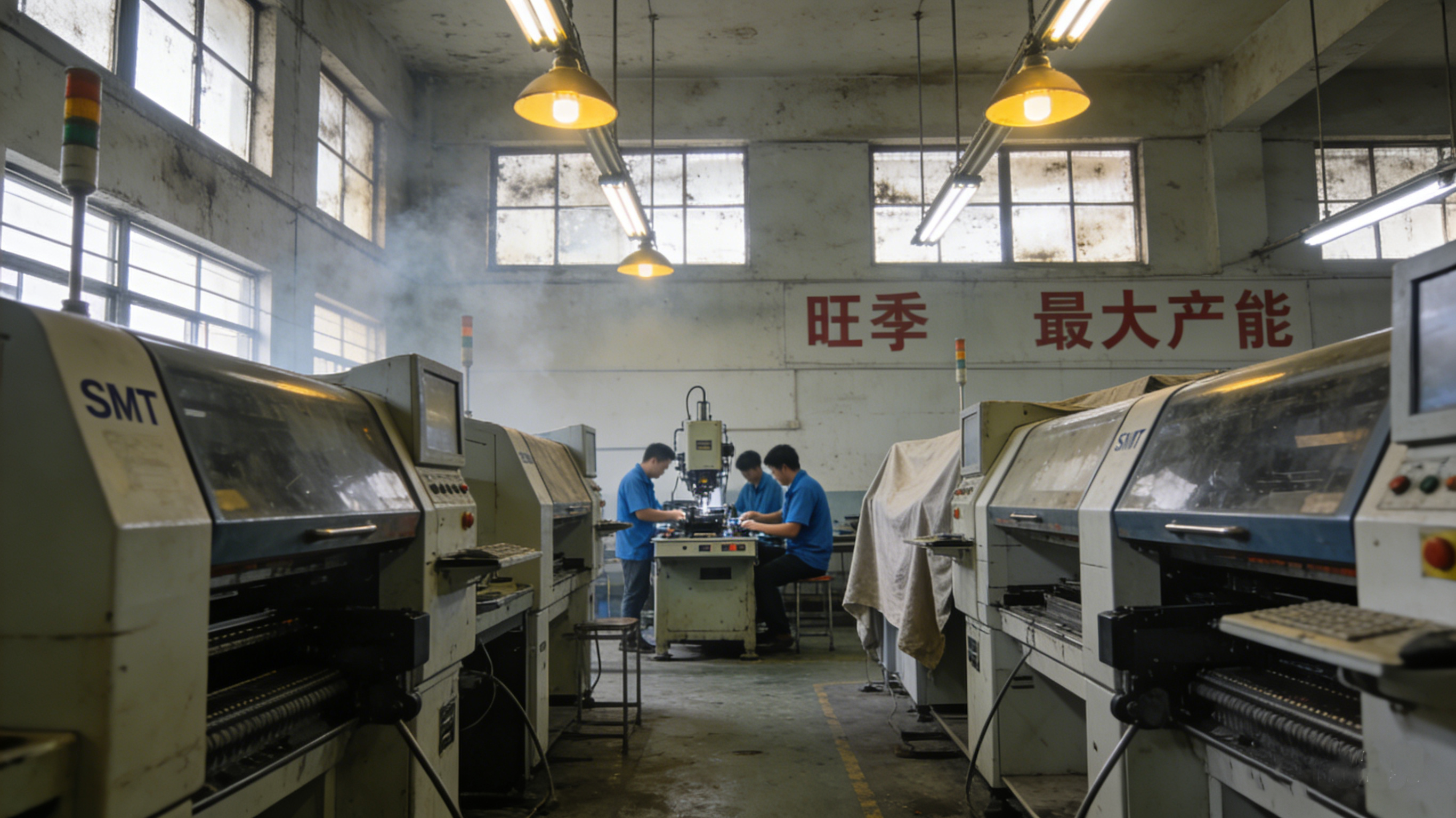
Visual Evidence 1: Silent, idle SMT lines during what was supposed to be a peak manufacturing schedule.
The Hard Data Verification:
The factory manager nervously wiped sweat from his forehead, blaming a "temporary shift break." I didn't buy it. We moved to his cramped, un-air-conditioned office, and I demanded to see the raw, non-digital records.
I spent two hours cross-referencing their hand-written daily material requisition logs with the official pink Chinese electricity consumption bills (电费单). This is where the narrative falls apart: digital records can be faked, but state-issued utility bills cannot.

Visual Evidence 2: Cross-referencing raw electricity bills and hand-written material logs to expose capacity fraud.
The Hidden Risk & Interception:
The math was undeniable. Their actual energy consumption proved their true capacity was less than 30% of what they had promised. So, how were they planning to meet the Q4 deadline? They were committing the ultimate supply chain sin: unauthorized subcontracting.
To cover the massive shortfall and avoid late penalties, they were moving production out the back door. That evening, as the typhoon drizzle started again, we staked out the factory's gritty back gate. We intercepted an unmarked van quietly loading boxes of unfinished, bare PCBs. They were shipping our client's core components to an unvetted, non-ESD-compliant "sweatshop" in a neighboring village—guaranteeing a massive defect rate.
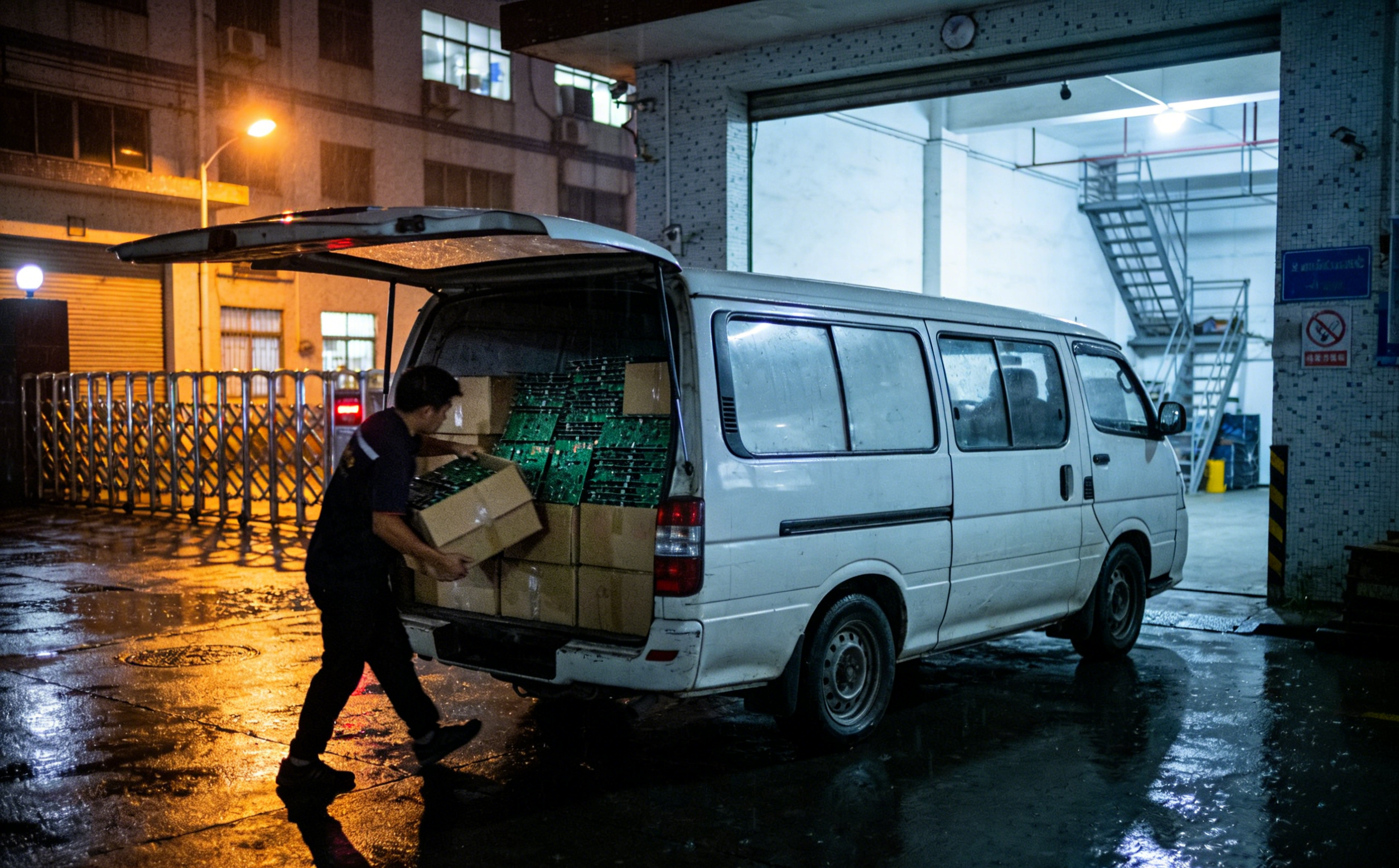
Visual Evidence 3: Intercepting the unauthorized transfer of client PCBs into an unmarked van at dusk.
The Outcome: Enforcing the Financial Firewall
We immediately halted the shadow shipment. Armed with our geo-tagged photographic evidence and forensic data analysis, the Overseas Buyer possessed absolute leverage.
They immediately stopped further payments and forced the supplier to recall all components. We then deployed a Resident Engineer to strictly monitor the remaining in-house production. By penetrating the "capacity trap" with aggressive, ground-level verification, we didn't just save a $350,000 order—we protected the brand from a catastrophic Q4 quality fade and enforced true supply chain transparency.